
Published:
October 14, 2025
Author:
Amy Liu
What if the answer to climate change is biology? It has moved from a lab tool to an economic engine. It is reported that the direct annual global impact of the Bio Revolution could be between $2 trillion and $4 trillion in 2030-40. The bio-based materials market is exploding, and the biomanufacturing market will hit $200 billion by 2040, as advanced facilities drive production costs down 90%. In a way, biology is driving the next industrial revolution.
In the next decade, 30% of global manufacturing will be interacting with biomanufacturing. This is about replacing petroleum-based materials with sustainable ones made by microbes, produced through fermentation instead of chemical processing. Some processes are even carbon-negative, literally eating CO₂ to produce materials. Instead of drilling, refining, and emitting, we're using renewable feedstocks that can reduce lifecycle carbon emissions compared to conventional plastics.
And for the first time, unit economics are starting to work at scale.
Think of biomaterials as anything made by utilizing nature's manufacturing innate systems. Instead of drilling for oil and cracking it in giant refineries to get the carbons, you're using plants, microbes, seaweed, and even CO₂-eating bacteria to produce materials. It is estimated that 60% of all physical inputs to our economy can be produced through engineered biology, making these microbes the industry of the future. They are atomically precise (more precise than semiconductor fabs!) and infinitely scalable.
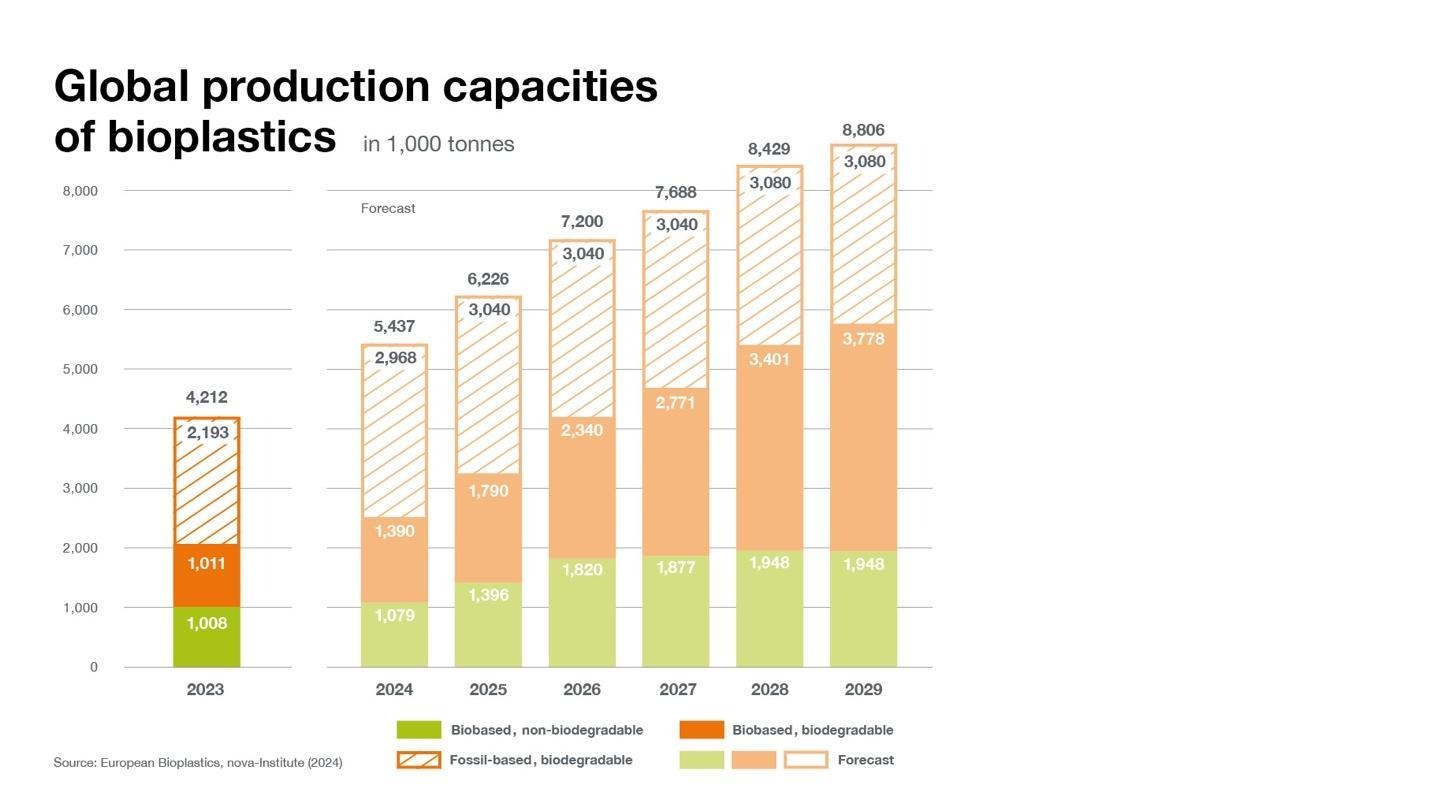
Here's where it gets interesting for investors. For the bioplastics industry, the production capacity is currently at 60%, indicating significant room to scale efficiently as demand accelerates. For other biomanufacturing processes, the cost of feedstock is a fundamental hurdle for scaling, but artificial intelligence is changing the game. AI tools are speeding up material innovations, improving process efficiencies, and shortening go-to-market timelines, which reduces overall costs.
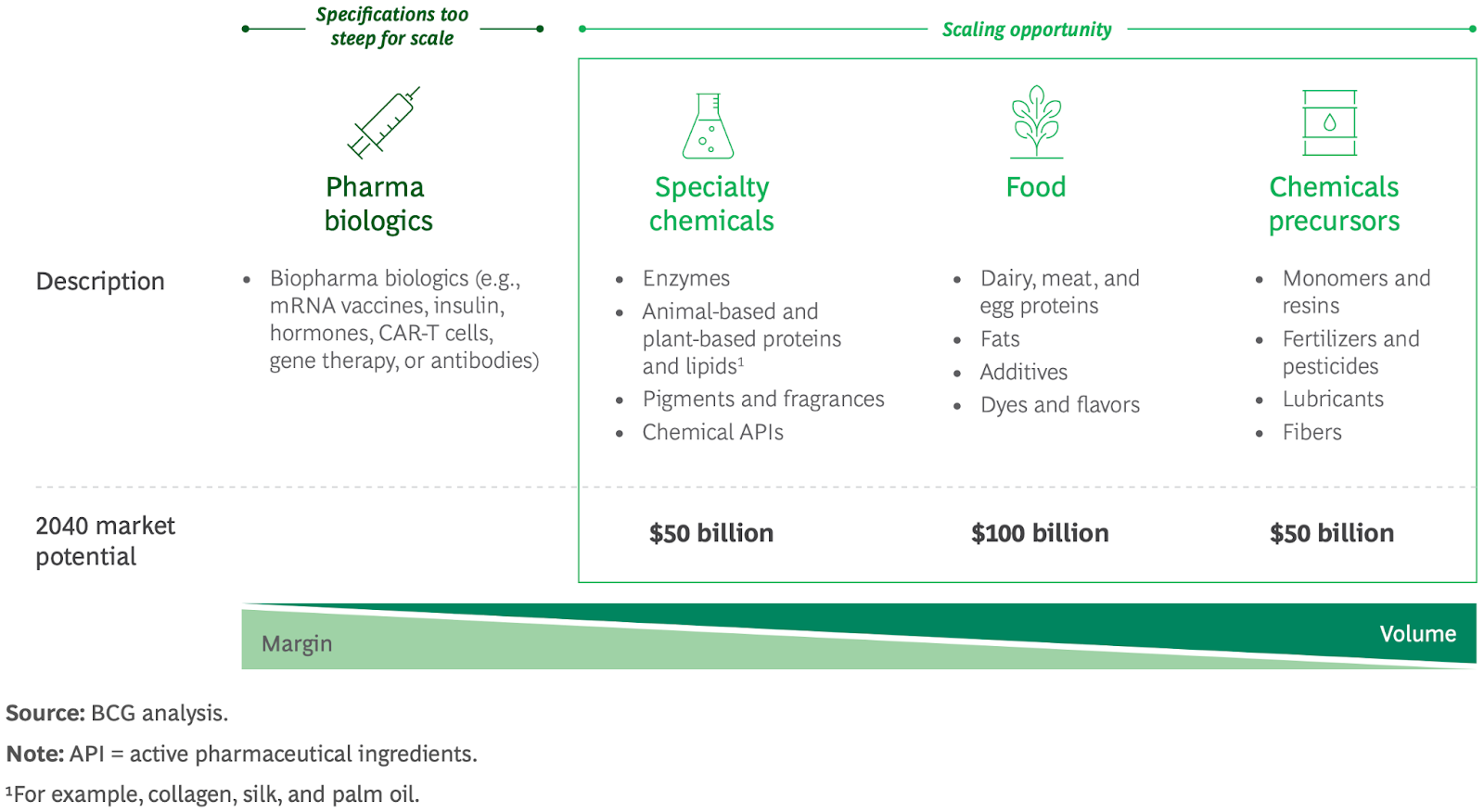
Today, biomanufacturing economics work best for high-value chemicals, specialty ingredients, cosmetics, and pharmaceuticals, where margins can absorb current production costs. For low-margin products, this can be detrimental, as sugar/feedstock can easily take up 50% of the COGS.
But the price floor is dropping fast. Companies like Erg Bio, a Lichen Ventures portfolio company, has managed to produce net-zero sugar from feedstock at half the cost of cane sugar, and trending chesper. This advancement opens up a whole new market for additional products that must compete with petroleum-based counterparts on cost.
Let's break down the opportunity by sector:
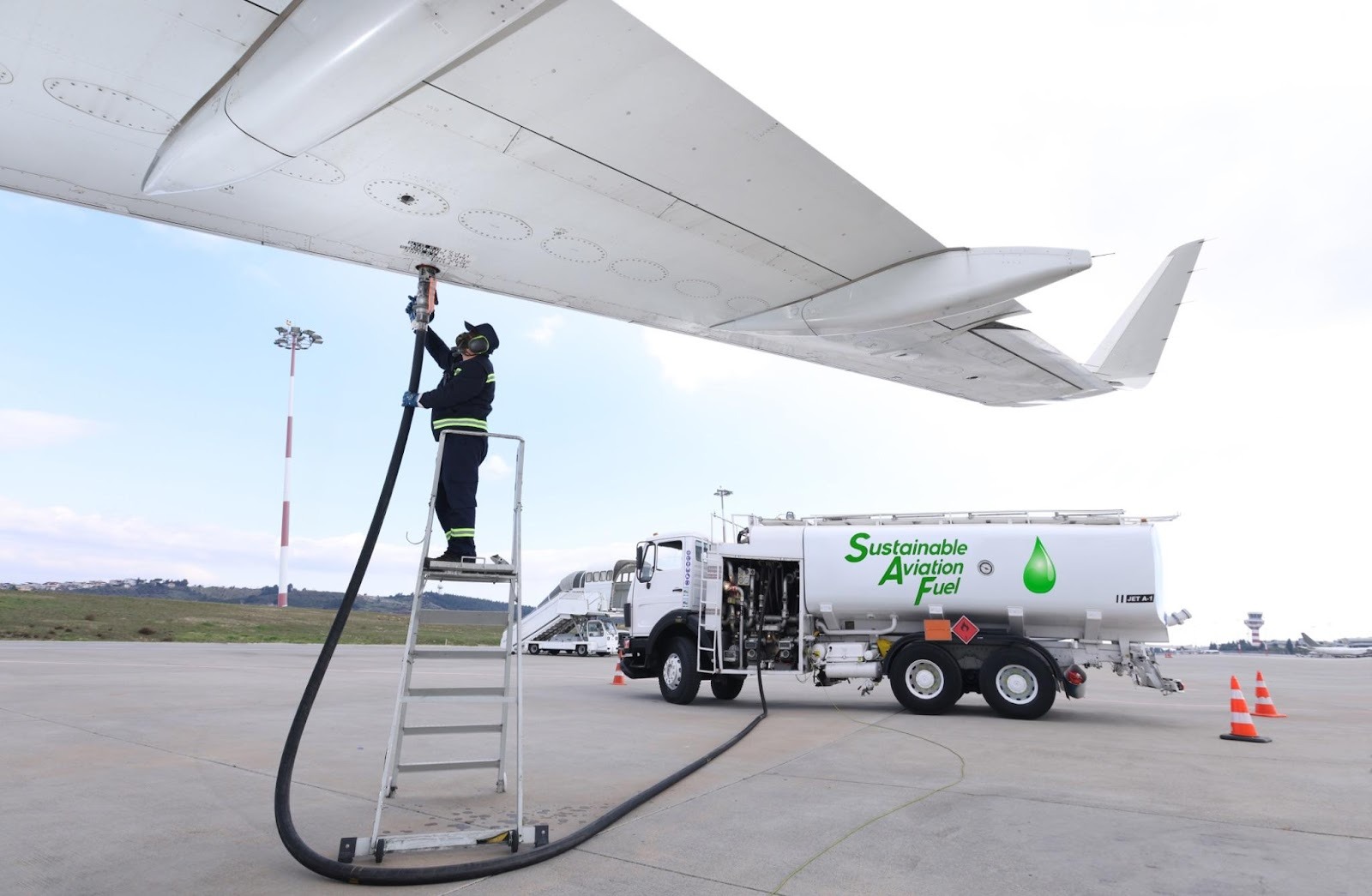
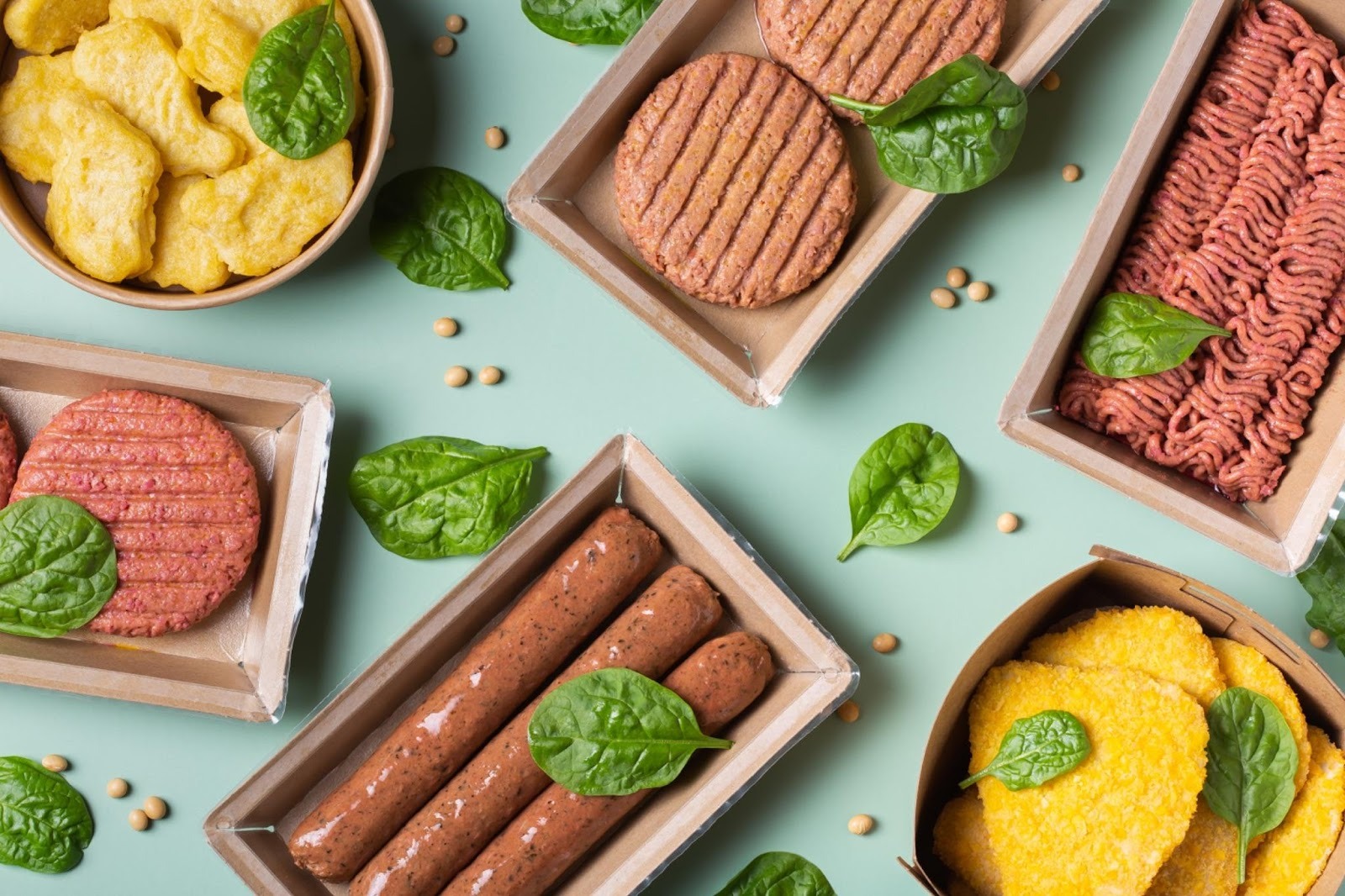
Three tailwinds are triangulating:
For investors, it's the rare trifecta: massive TAM, regulations forcing adoption, and unit economics that is working. The billion-dollar revolution is not coming. It is now.

Amy Liu is a Ph.D. candidate in Chemical Engineering at the University of Michigan, engineering microbial systems that leverage carbon sequestration to produce sustainable chemicals and food ingredients. Amy is also Director of Fund Operations at Michigan Climate Venture.